Material research
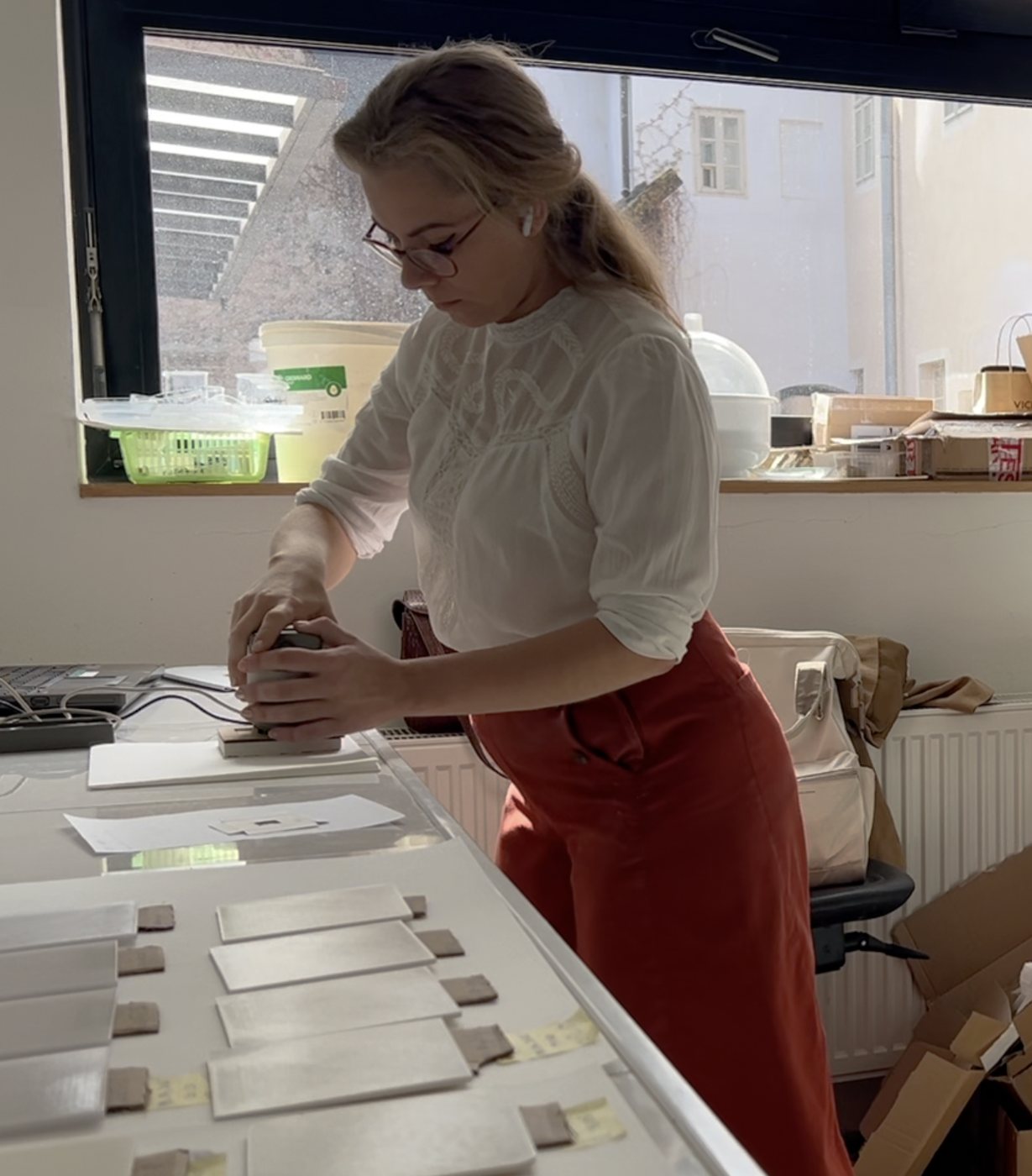
How modern materials behave in contact with historic ones, above all FDM 3D-printing polymers on gypsum. Testing conservation materials for volatile organic compounds and cross-contamination.
I am a conservator-restorer and researcher. I work with stone, stucco, plaster and polychrome sculpture, and I study what modern materials and digital technologies can safely do for them.
Get in touch →
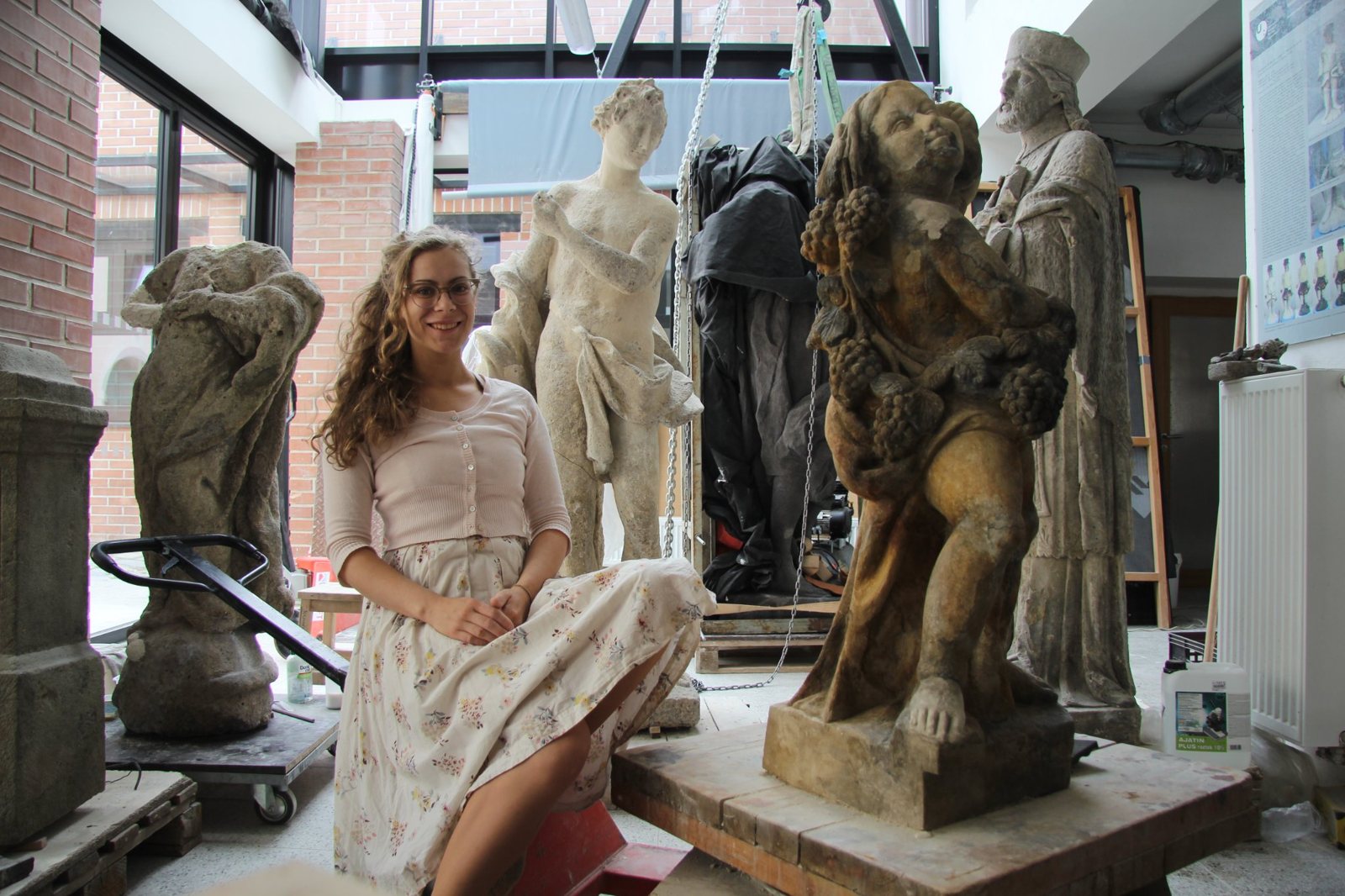
I started at fourteen, in the studio of the conservator Pavel Kobylka. More than fifteen years later, my work moves between the studio and the laboratory. I trained in the conservation of stone and sculpture at the Faculty of Restoration of the University of Pardubice, and in heritage conservation and management at the University of Applied Arts Vienna and Silpakorn University in Bangkok. Placements and commissions have taken me to the Rialto Bridge in Venice, the Hofburg in Vienna, heritage sites in eastern Germany and the mural paintings of a Bangkok temple.
How modern materials behave in contact with historic ones, above all FDM 3D-printing polymers on gypsum. Testing conservation materials for volatile organic compounds and cross-contamination.
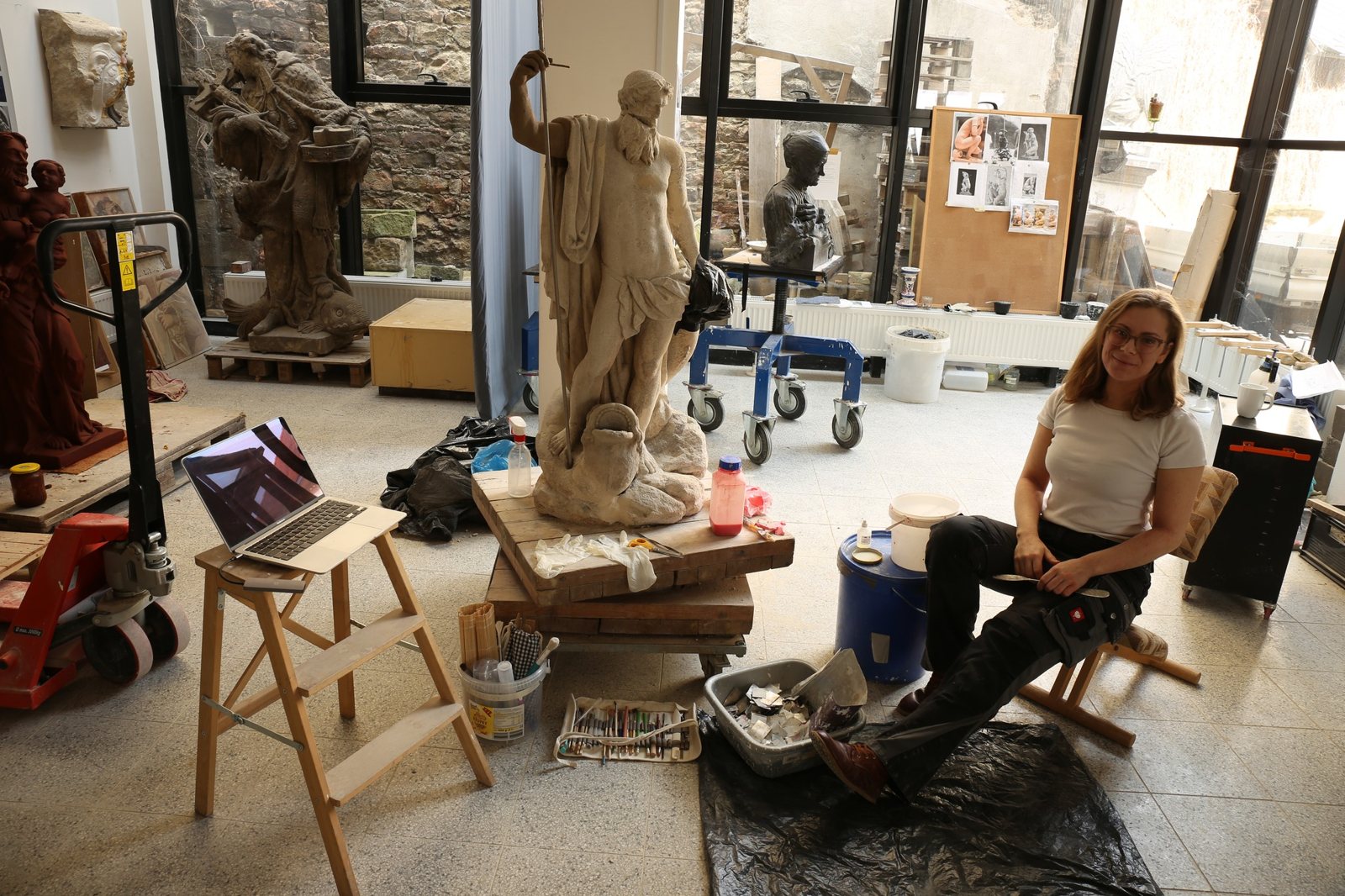
Stone, stucco, plaster, terracotta, artificial stone and polychrome surfaces, on free-standing sculpture and in architectural settings. Historic lime mortars, renders and consolidants.
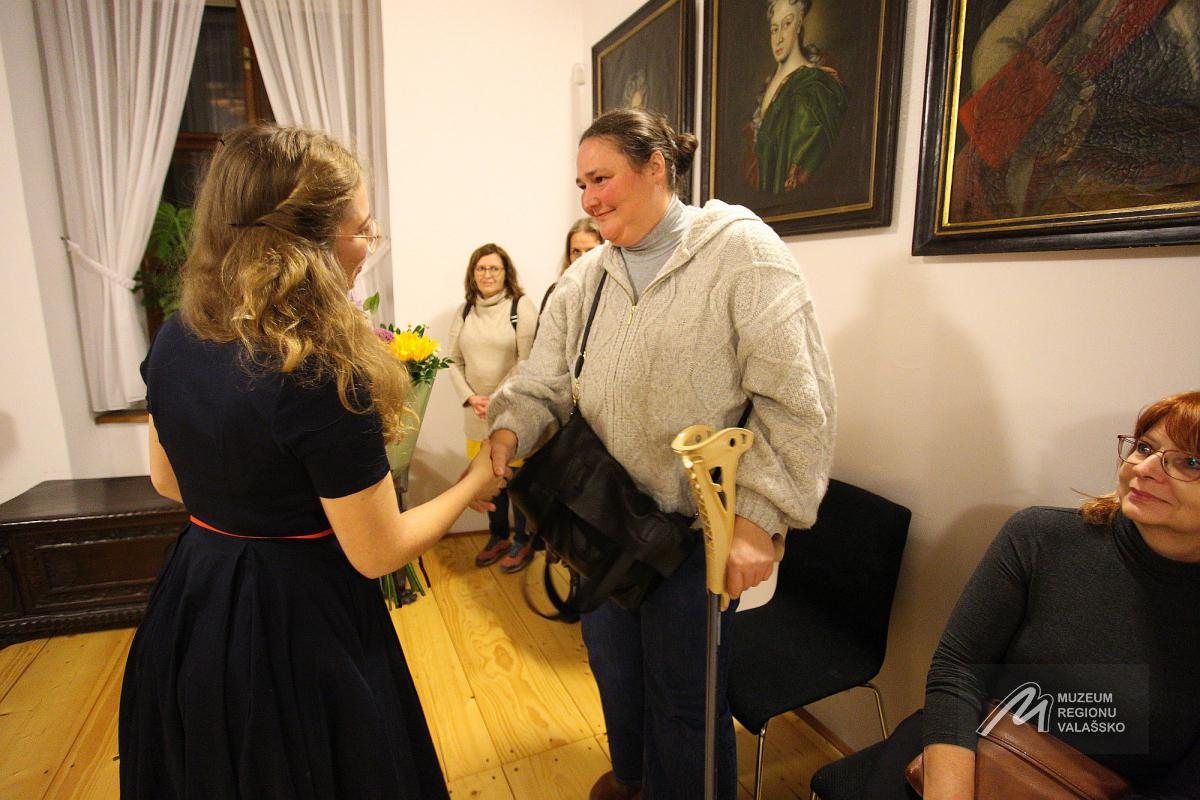
Running a heritage site, preventive conservation and emergency preparedness. Writing and managing grants, and sitting on funding and award committees.
My research follows two separate lines. The first is material science: whether polymers used in FDM 3D printing are safe in contact with plaster. The second is ethics: what 3D replicas mean for authenticity, and what a printed or digital copy can and cannot offer when heritage is returned to the communities it came from. The first grew out of my MgA. thesis in Litomyšl, the second out of my MA thesis in Vienna.
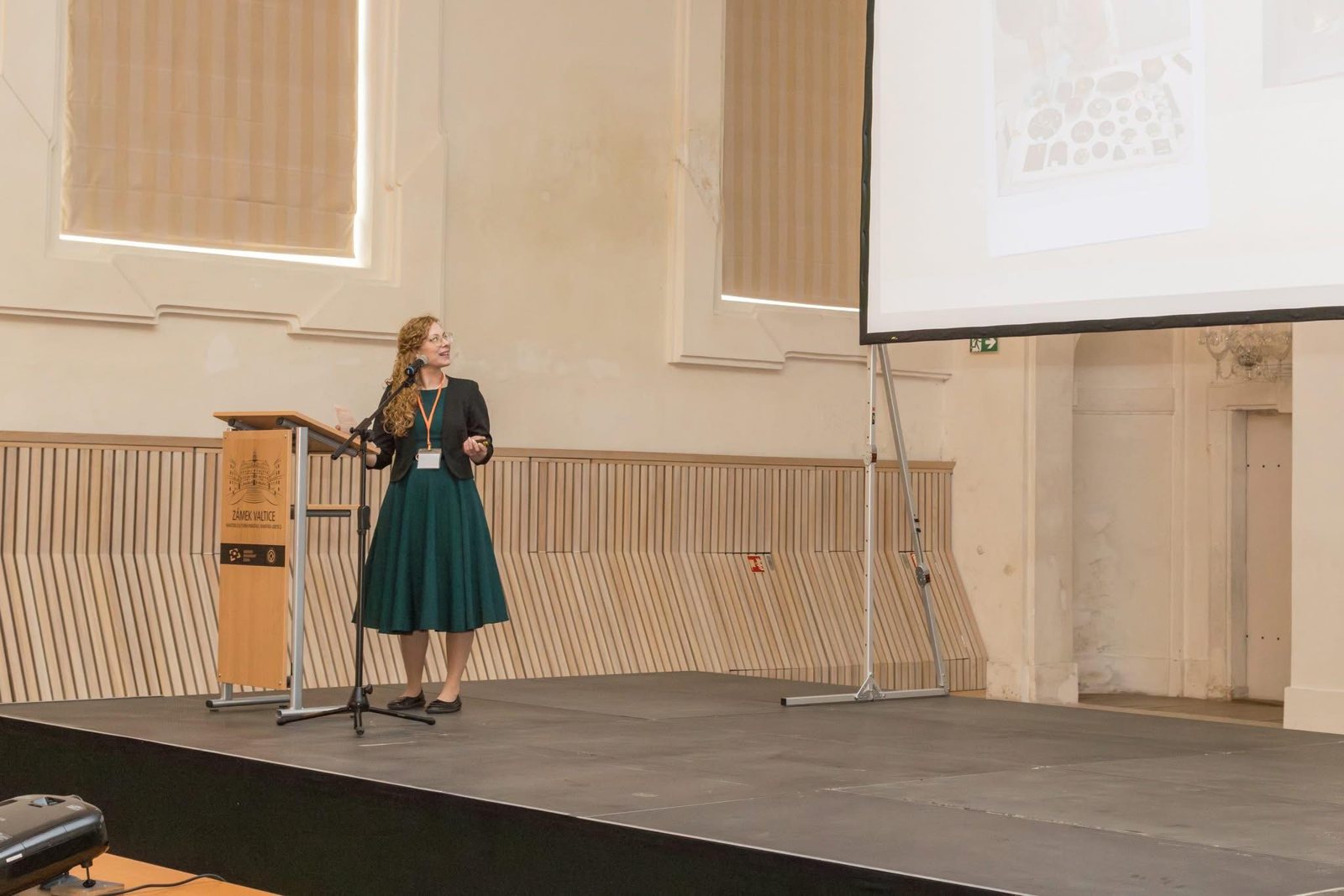
I give lectures and workshops in English for universities and heritage programmes, online or in person. Each lecture can be shortened, extended or reshaped for students or for professionals.
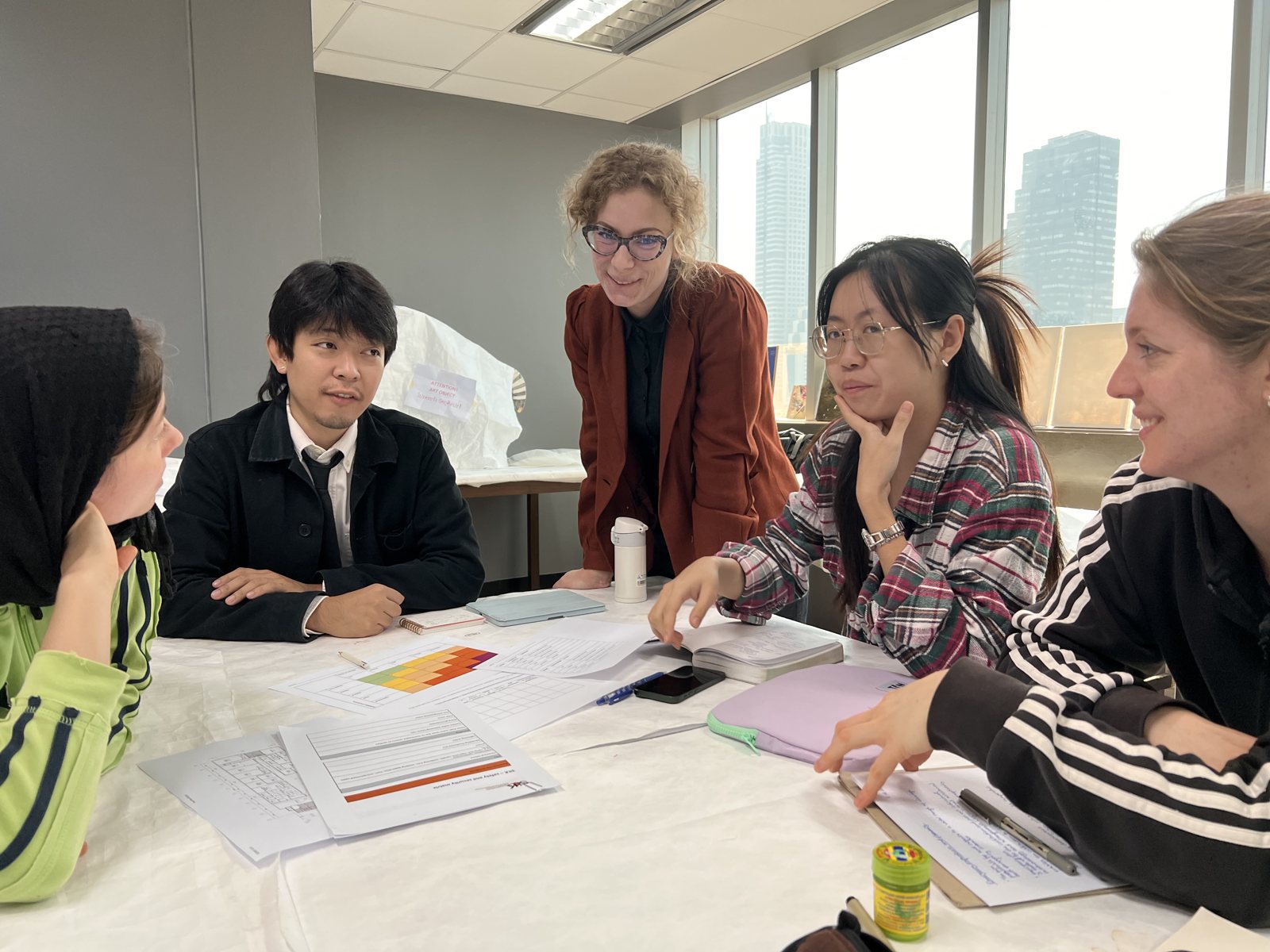
Flood rescue workshop. Two days of hands-on work rescuing water-damaged objects as a team, in which every participant has a role.
Most recently: Packing, Transport and Storage of Sculptural Works, guest lecture at the Academy of Fine Arts and Design, University of Ljubljana, November 2026.
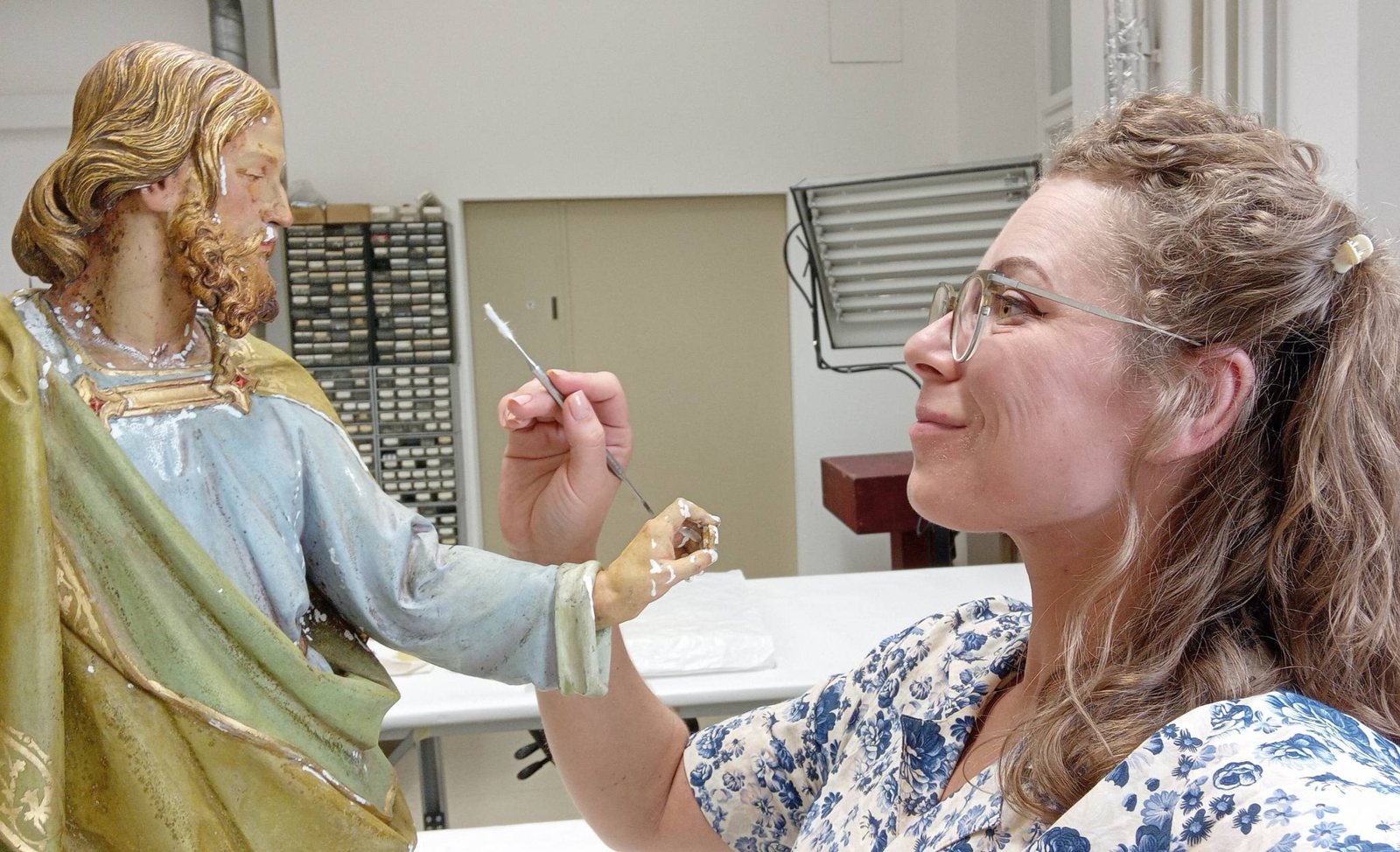
Conservation of a polychrome limewood figure by Franz Erler from the altar of St Joseph, within a project of the University of Applied Arts Vienna. Cleaning, consolidation of loose paint, reduction of lead soaps, reattachment of the broken lily branch and retouching.
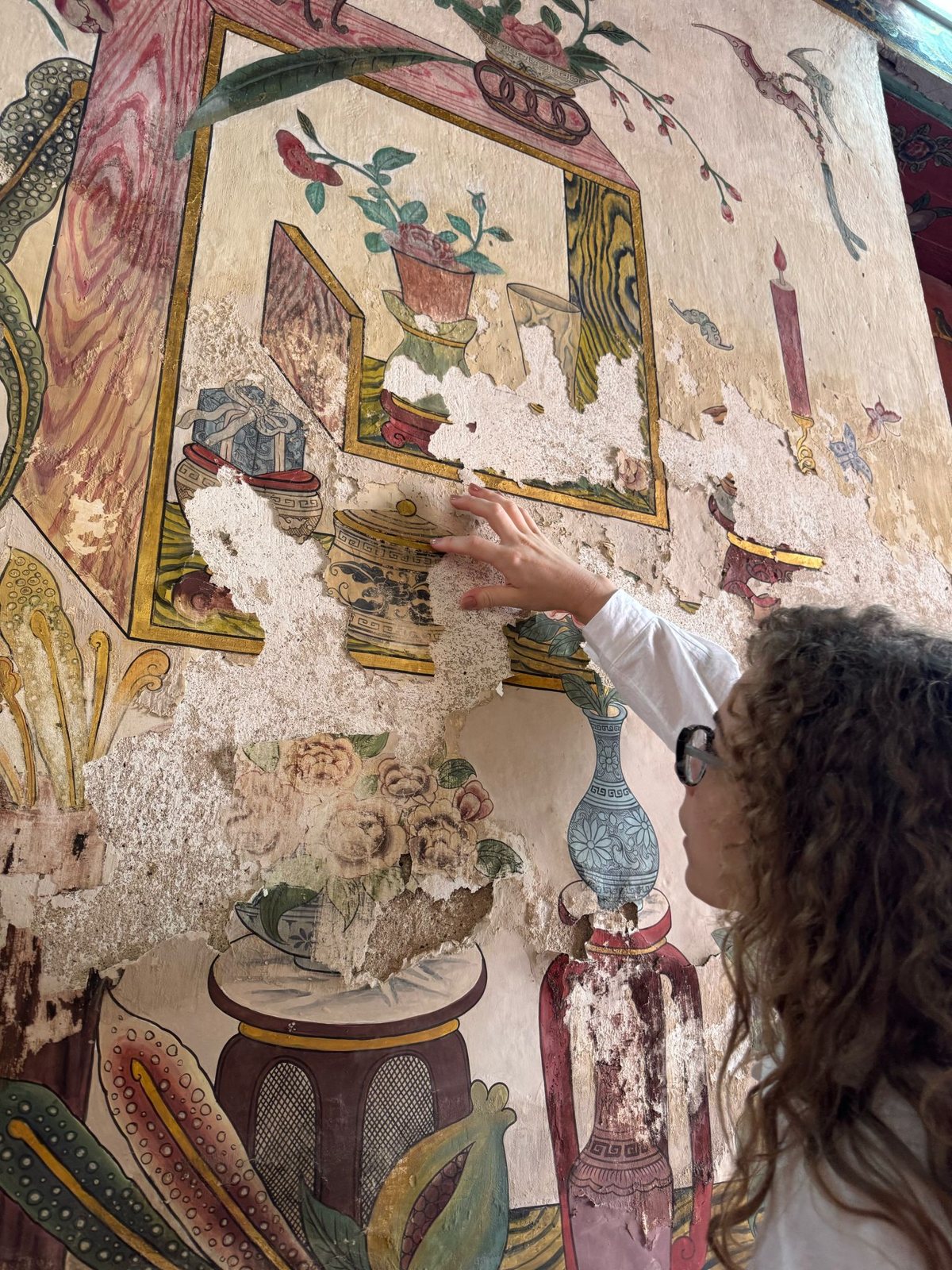
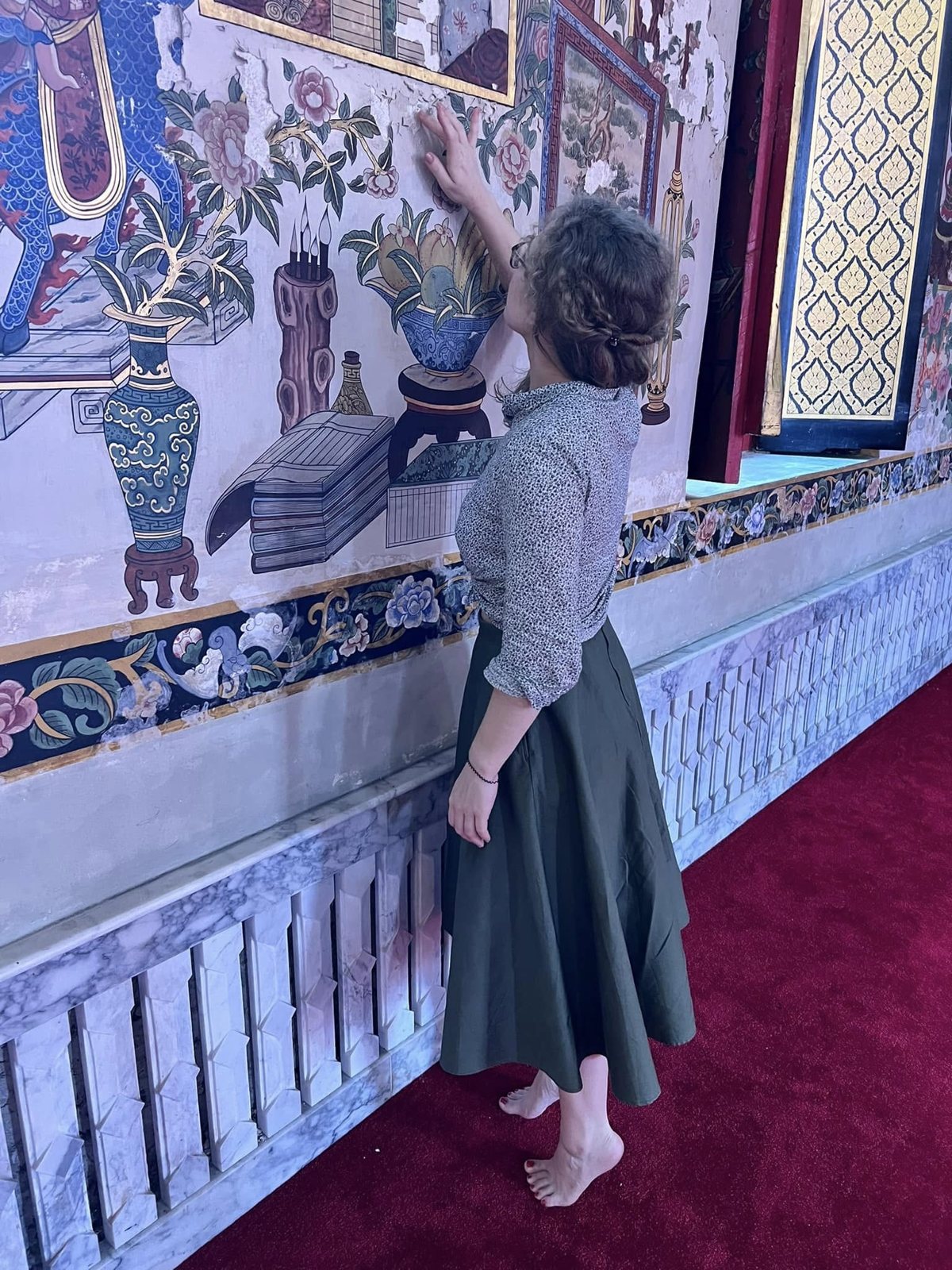
Survey of mural paintings from the reign of King Rama III, in an international student team, including sampling.
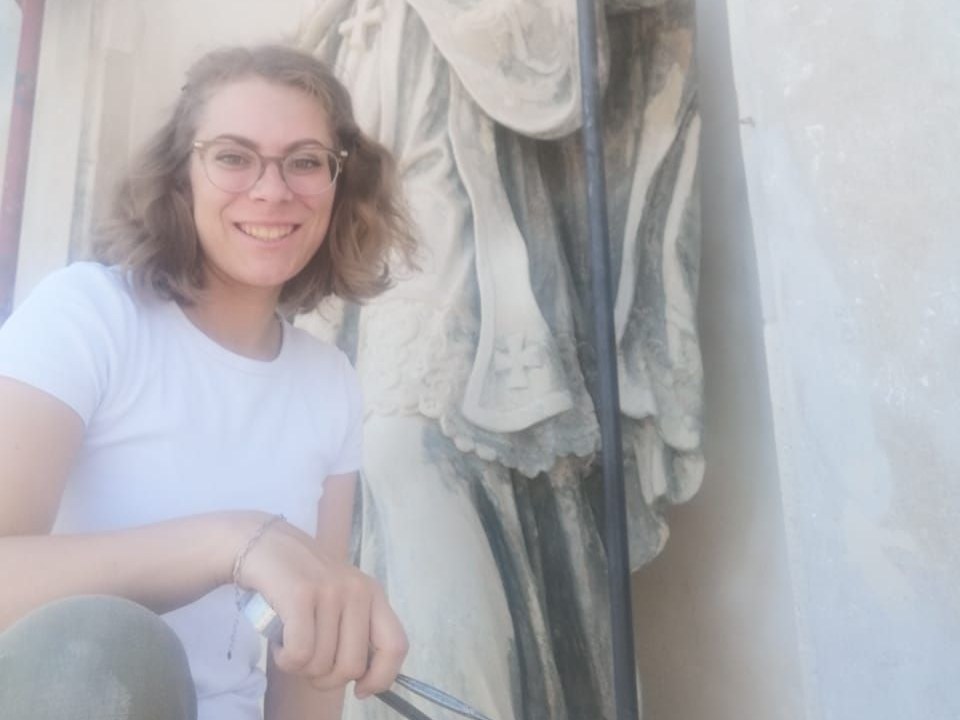
Conservation work at the Hofburg Presidential Palace and the church of St Ulrich, during an Erasmus+ traineeship from June to September 2023.
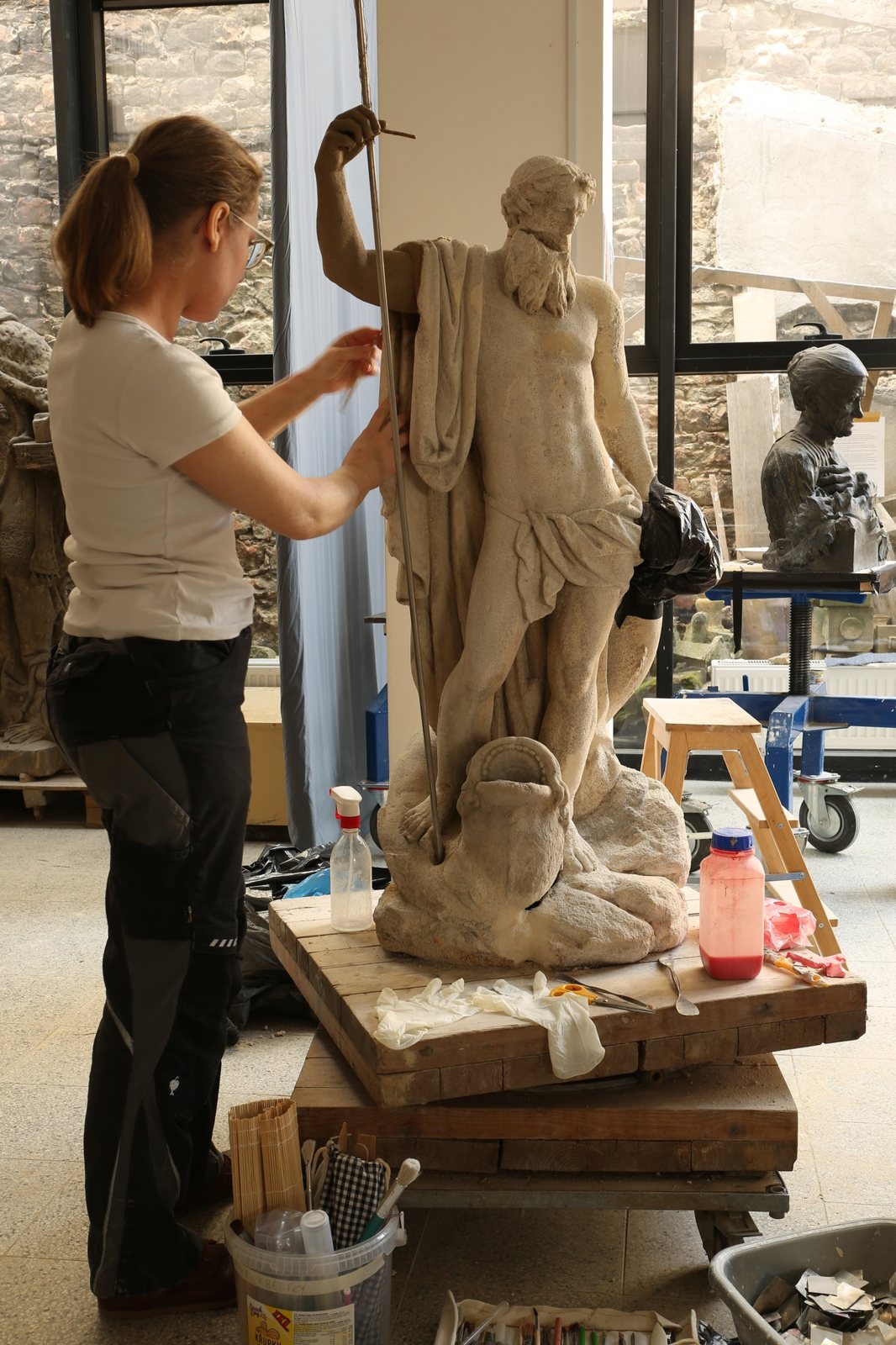
Full conservation treatment of a limestone statue from the chateau, probably early 18th century, a listed monument. Removal of paint layers and unsuitable fills, consolidation, crack injection, mineral fills and new missing arms.
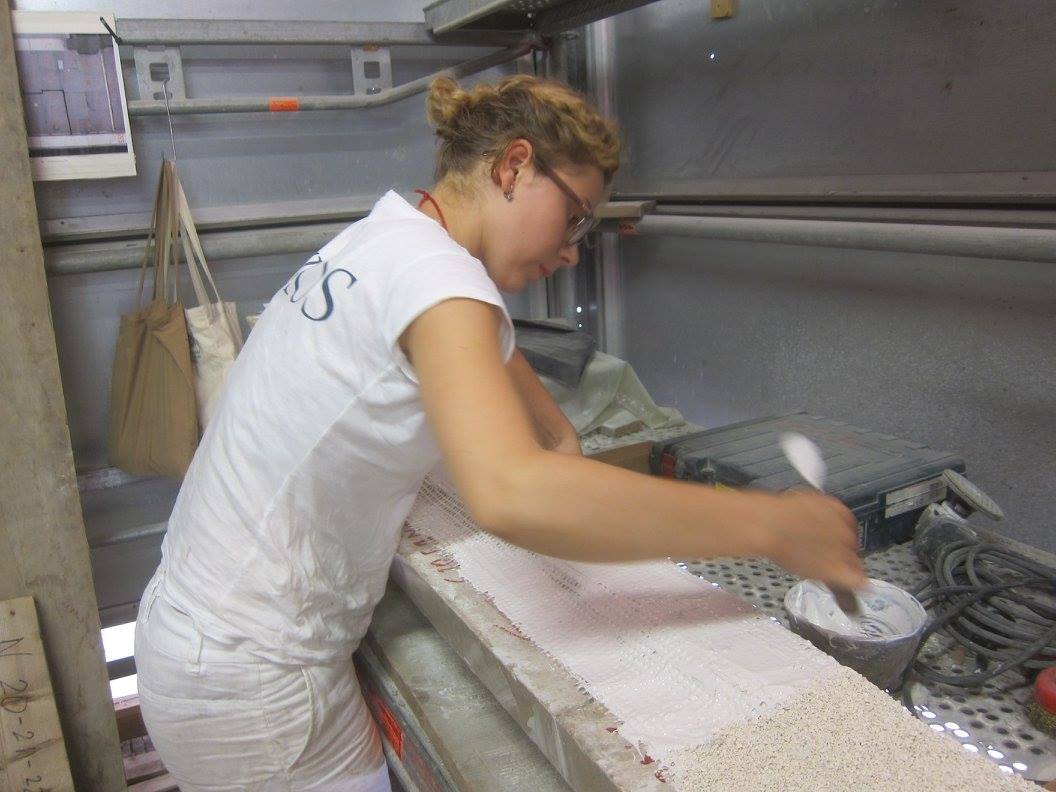
Conservation of the limestone Rialto Bridge over the Grand Canal, during an Erasmus+ traineeship.
Also: sculpture, Baroque frescoes and stucco in Saxony and Saxony-Anhalt (2022); a Baroque sandstone putto from the Lesser Fürstenberg Garden in Prague (2021–2022); Stanislav Sucharda’s plaster model Desire for the Palacký Monument (2022–2023); polychrome stucco in the chateau chapel at Kácov (2023–2025).
More work, including recent commissions in the Czech Republic, on the Czech version of this site →
Between 2024 and 2026 I was Castle Manager at Lešná Chateau in the Czech Republic. The chateau had been without an accountable lead for six years when I took it over. I led a team of seven and was responsible for conservation priorities, preventive conservation and maintenance planning, the budget, procurement and hiring. I also contributed to emergency-preparedness planning for all five sites of the regional museum. Since 2016 I have independently secured and managed eight international grants: Erasmus+, CEEPUS, Erasmus for Young Entrepreneurs, two mobility grants of the University of Applied Arts Vienna and a grant from the Italian Ministry of Foreign Affairs.
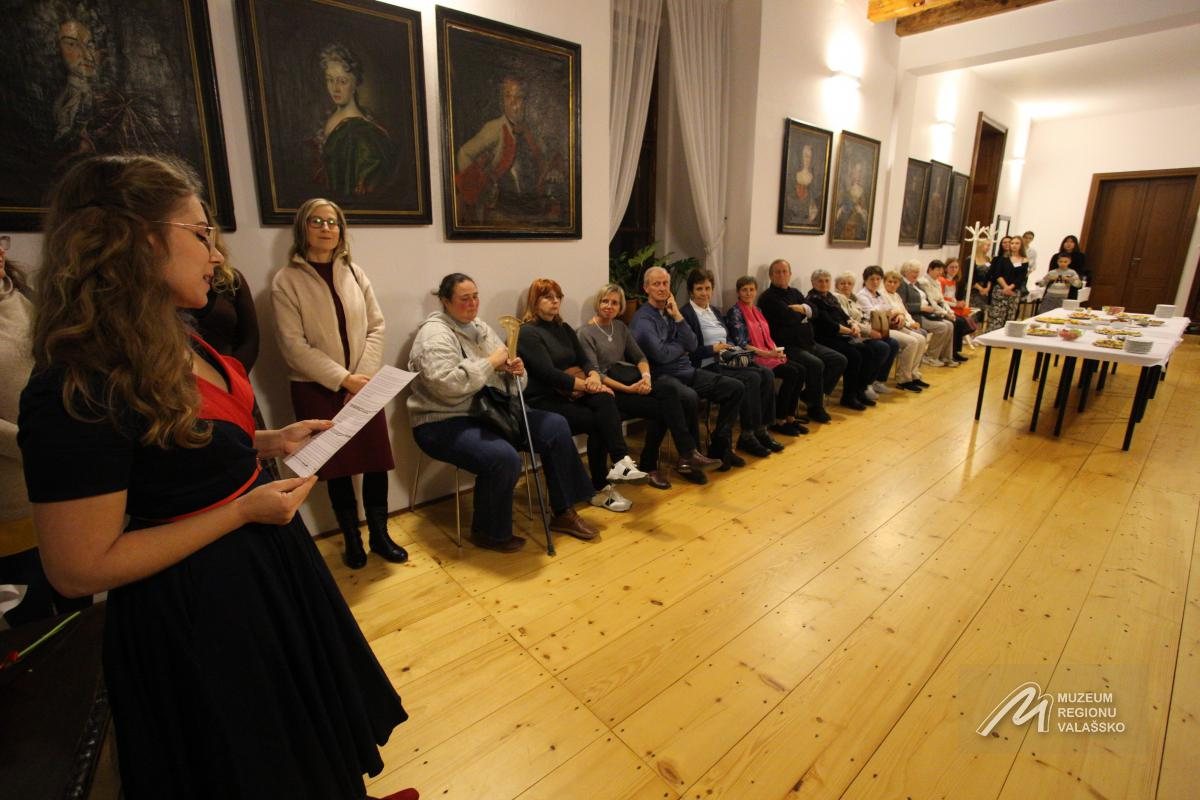
At home I am Šárka. Abroad most people call me Sarah.
I live in the Wallachian region in the east of the Czech Republic and work with partners across Europe, remotely and on site. I speak Czech and English, French at a working level, and I read German and Italian.
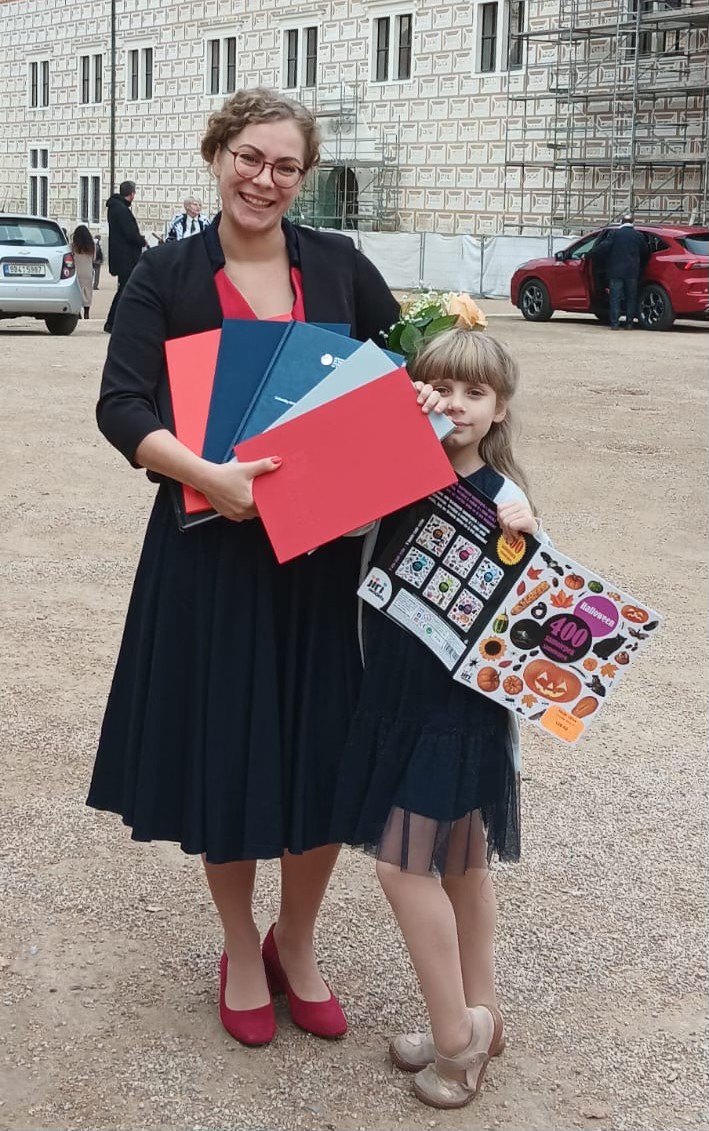
I welcome research collaborations, guest lectures and workshops, heritage projects that need grant and project management, and expert evaluation. I work well remotely and travel for fieldwork.